
rediffGURU Dr Ganesh Natarajan offers advice on how to build and scale your first start-up.

From the Sensex pack, Zomato, IndusInd Bank, NTPC, Infosys, HCL Technologies, Titan, Power Grid, Hindustan Unilever, Tech Mahindra and ITC were among the gainers. On the other hand, Reliance Industries, Nestle India, Tata Motors, Adani Ports, Tata Steel, UltraTech Cement and Kotak Mahindra Bank were the laggards.

Rising crude oil prices, traction in China equities and inflation concerns back home are casting a shadow on the Indian equity markets in the short term, believe analysts at Jefferies. They said this could see the markets remaining range-bound in the near term before the next leg up.

From the Sensex pack, Zomato jumped over 7 per cent. ICICI Bank, Mahindra & Mahindra, Tata Motors, Larsen & Toubro, Asian Paints, Titan, Kotak Mahindra Bank and State Bank of India were among the gainers. However, Bajaj Finserv, Bharti Airtel, Tech Mahindra and Reliance Industries were the laggards.

However, Tata Consultancy Services, Infosys, Tech Mahindra, UltraTech Cement, IndusInd Bank, Hindustan Unilever and ICICI Bank were the gainers.

New-age stocks to buy: Most new-age stocks have turned out to be wealth destroyers in stock markets, so far, in calendar year 2025. Shares of Ola Electric Mobility, for instance, have plunged nearly 50 per cent in the first half of CY 2025, while those of Swiggy, PB Fintech, Paytm, and Eternal (Zomato) have crashed between 6 per cent and 25 per cent, ACE Equity data shows.

'An HAL-private sector tieup is a possibility.'
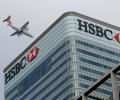
As India faces slowing economic growth, HSBC Global Research has downgraded the Indian stock market outlook from "overweight" to "neutral". In a report, the global financial services firm said profits at India Inc appeared to have softened while valuations are elevated. After annualized growth of 25 per cent in recent years, profits appear to have softened while valuations are elevated at 23x forward earnings.

Among Sensex firms, Eternal, Tata Motors, State Bank of India, Adani Ports, NTPC, IndusInd Bank, Bajaj Finance, Asian Paints, Axis Bank and Sun Pharma were the major losers. Bharti Airtel, Tata Steel, Mahindra & Mahindra, Hindustan Unilever, Nestle and Maruti were among the gainers.

Trading sentiment in the equity market will largely be driven by domestic corporate quarterly earnings, any update related to US tariffs and foreign fund movements this week, analysts said. Investors would also focus on world market trends, movement of global oil benchmark Brent crude and the rupee-dollar trend for further cues, experts noted.

Only experienced investors with a high risk appetite, a grasp of market cycles, and comfort with volatility and timing risk should invest.

Madhabi Puri Buch, the first female chairperson of Sebi, doesn't plan to rest on her laurels in her third and final year in office and has set out an ambitious goal, such as moving towards a same-day and instantaneous settlement cycle for the secondary market.

Since October, FPIs have offloaded Indian equities worth Rs 2.1 trillion.

Without changes to the taxation rules, buybacks are expected to remain scarce.
From the Sensex pack, IndusInd Bank, Infosys, Bajaj Finserv, Mahindra & Mahindra, Zomato, Hindustan Unilever, Power Grid, Axis Bank, UltraTech Cement, Adani Ports, and Tata Consultancy Services were among the laggards. On the other hand, Sun Pharmaceuticals, ICICI Bank, Bharti Airtel, HCL Technologies, Maruti Suzuki India, Larsen & Toubro, Reliance Industries, Kotak Mahindra Bank and Titan were the gainers.

The Nifty IT index rose by 5.14 per cent on Friday (January 12), marking its best performance in a day since July 2020, followed by another 1.9 per cent rally on Monday. With this, the index, which tracks the share prices of India's 10 biggest information technology (IT) services companies, has increased 7.1 per cent in the past two sessions. However, the substantial rally in the index occurred at a time when India's four largest IT companies reported their worst quarterly performance in over five years.
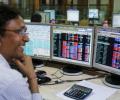
From the Sensex pack, Bajaj Finserv, Mahindra & Mahindra, Axis Bank, Bajaj Finance, Adani Ports, ICICI Bank, Zomato and UltraTech Cement were among the biggest gainers. However, ITC, Nestle, State Bank of India, Reliance Industries, Asian Paints and Tata Consultancy Services were among the laggards.

The exodus of FPIs from the Indian equity markets continued unabated, as they withdrew over Rs 7,300 crore (about $840 million) in the first week of this month due to global trade tensions, with the US imposing tariffs on countries such as Canada, Mexico, and China. This came following an outflow of Rs 78,027 crore in the entire January. Before that, they invested Rs 15,446 crore in December, data with the depositories showed.

From the Sensex pack, Tata Consultancy Services and Infosys fell over 2 per cent each. Hindustan Unilever, Bharti Airtel, Sun Pharma, Power Grid, Bajaj Finserv, HCL Tech, Mahindra & Mahindra, and Tech Mahindra were also among the laggards. Among the gainers, Zomato jumped nearly 5 per cent. Larsen & Toubro, Axis Bank, ICICI Bank, IndusInd Bank and Kotak Mahindra Bank were also among the gainers.

From the 30 Sensex companies, IndusInd Bank, Zomato, Larsen & Toubro, Titan, Mahindra & Mahindra, Bajaj Finance, Reliance Industries, Kotak Mahindra Bank, Tech Mahindra and Tata Consultancy Services were among the laggards. On the other hand, Power Grid, Hindustan Unilever, Infosys, Nestle India, Asian Paints, ITC, Sun Pharmaceuticals and ICICI Bank were the gainers.

Larsen & Toubro, Axis Bank, Reliance Industries, UltraTech Cement, Mahindra & Mahindra, IndusInd Bank, ICICI Bank and Tata Steel were the other big gainers. Sun Pharma, HCL Technologies, Asian Paints, Nestle and Infosys were the laggards.

From the Sensex pack, Tata Steel, Zomato, Power Grid, UltraTech Cement, IndusInd Bank, Larsen & Toubro, Adani Ports, NTPC, State Bank of India and Reliance Industries were among the major gainers. On the other hand, Tech Mahindra, Tata Consultancy Services, ITC, Infosys, Sun Pharma, Maruti, HCL Tech, and Nestle were among the laggards.

Only a limited set of investors should invest directly in corporate bonds.
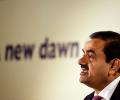
Hindenburg Research, the forensic financial firm that challenged the Adani Group, took its name from the infamous airship that burst into flames upon arriving in New Jersey in 1937. And the counter to its damning report against the conglomerate was dubbed 'Operation Zeppelin,' named after the German dirigible airships used for reconnaissance and bombing during the First World War.

Global trends, macroeconomic announcements and US tariff developments are expected to drive stock markets in a holiday-shortened week, analysts said. Market participants will also closely track foreign investor activity, geopolitical tensions, and their impact on the US dollar and crude oil prices, they added.

Banks have outperformed the broader market in the past six months and most of the leading lenders have given positive returns to investors compared to a negative return delivered by benchmark indices.

From the 30-share blue-chip pack, Zomato cracked nearly 7 per cent. Power Grid, Adani Ports, Tata Steel, NTPC, Tata Motors, Tech Mahindra, Mahindra & Mahindra, Asian Paints, Sun Pharma and UltraTech Cement were the other major laggards. In contrast, Axis Bank, Hindustan Unilever, Tata Consultancy Services and IndusInd Bank were the gainers.

Gold prices tumbled by Rs 1,550 to Rs 91,450 per 10 grams in the national capital on Monday amid heavy selling by jewellers and stockists as well as weak global trend, according to the All India Sarafa Association. On Friday, the precious metal of 99.9 per cent purity had finished at Rs 93,000 per 10 grams.
From the Sensex pack, Adani Ports, Tata Steel, Power Grid, Mahindra & Mahindra, NTPC, Tech Mahindra, Tata Motors, ITC, Nestle India, HCL Technologies, Bharti Airtel, State Bank of India, Asian Paints and Kotak Mahindra Bank were the gainers. Bajaj Finance, IndusInd Bank, HDFC Bank, and Zomato were the laggards.

The narrative on China is changing post the recent stimulus measures, and it will be hard for global investors to ignore the Chinese markets.

Buying makes sense for those planning to stay in a city for at least 7 to 10 years. Financial preparedness is crucial.

'As China's reopening euphoria fizzled out on the back of some disappointing economic data, we saw inflows coming back to India with full force in the past 3-4 months.'

In a move that could have implications for market share dynamics, the Securities and Exchange Board of India (Sebi) has permitted the National Stock Exchange (NSE) and the BSE to alter the days for settlement of equity derivatives contracts.

RBI's interest rate decision, quarterly earnings and global cues would be the major driving factors for equity markets this week, analysts said adding that the impact of the Union Budget could linger on this week. Trading activity of foreign investors will also be a key driver for the markets, experts noted. "US and India's manufacturing PMI for January to be released on Monday, will be the key macro data to watch out for.

From the Sensex pack, NTPC, Tech Mahindra, Zomato, Axis Bank, Bajaj Finance, Infosys, Maruti, State Bank of India, Kotak Mahindra Bank, Reliance Industries, Hindustan Unilever, and HDFC Bank were the losers. IndusInd Bank, HCL Tech, Titan, Mahindra & Mahindra and Power Grid were the gainers.

Debt-oriented mutual funds witnessed an outflow of Rs 6,525 crore in February, a sharp reversal from the strong inflow of Rs 1.28 lakh crore in the preceding month, chiefly due to redemptions in short-duration funds. Notably, 10 of 16 debt mutual fund categories reported net outflow during the month, data with Association of Mutual Funds in India (Amfi) showed.

The Adani Group plans to invest a record $15-20 billion across businesses over the next five years to chart out the next phase of growth, chairman Gautam Adani said on Tuesday as he touted the conglomerate's strong balance sheet and robust business to shrug off relentless scrutiny it faces. Record earnings from the businesses ranging from seaports to airports, renewable energy parks to data centres, cement to gas and electricity has built India's largest infrastructure group that not only exists just to serve the markets but to serve the nation's destiny, he said.

The combined market valuation of the top-ten most valued firms jumped by a whopping Rs 3,84,004.73 crore in the holiday-shortened last week, in-tandem with a smart rally in equities, with HDFC Bank and Bharti Airtel emerging as the biggest gainers. Last week, the BSE benchmark Sensex jumped 3,395.94 points or 4.51 per cent, and the NSE Nifty surged 1,023.1 points or 4.48 per cent.

From the 30-share blue-chip pack, Larsen & Toubro rallied nearly 5 per cent. Adani Ports, IndusInd Bank, Tata Motors, Reliance Industries, UltraTech Cement and Asian Paints were also among the major gainers. ITC Hotels, Zomato, Nestle and Maruti were among the laggards.

From the Sensex pack, UltraTech Cement, Infosys, Bajaj Finserv, Axis Bank, HDFC Bank, Bharti Airtel, HCL Tech and Tata Consultancy Services were the biggest gainers. Zomato tanked nearly 6 per cent followed by IndusInd Bank which declined about 5 per cent. Adani Ports, Mahindra & Mahindra, Reliance Industries and Sun Pharma were also among the laggards.
